Generation I — The founding
The 1880s. Florez settlers help open the Quindío highlands for coffee. Spanish lineage by way of grandmother. The land is claimed not by deed but by clearing, by patience, by staying.
The Family Farm · Since MDCCCLXXX
Five generations on the same land.
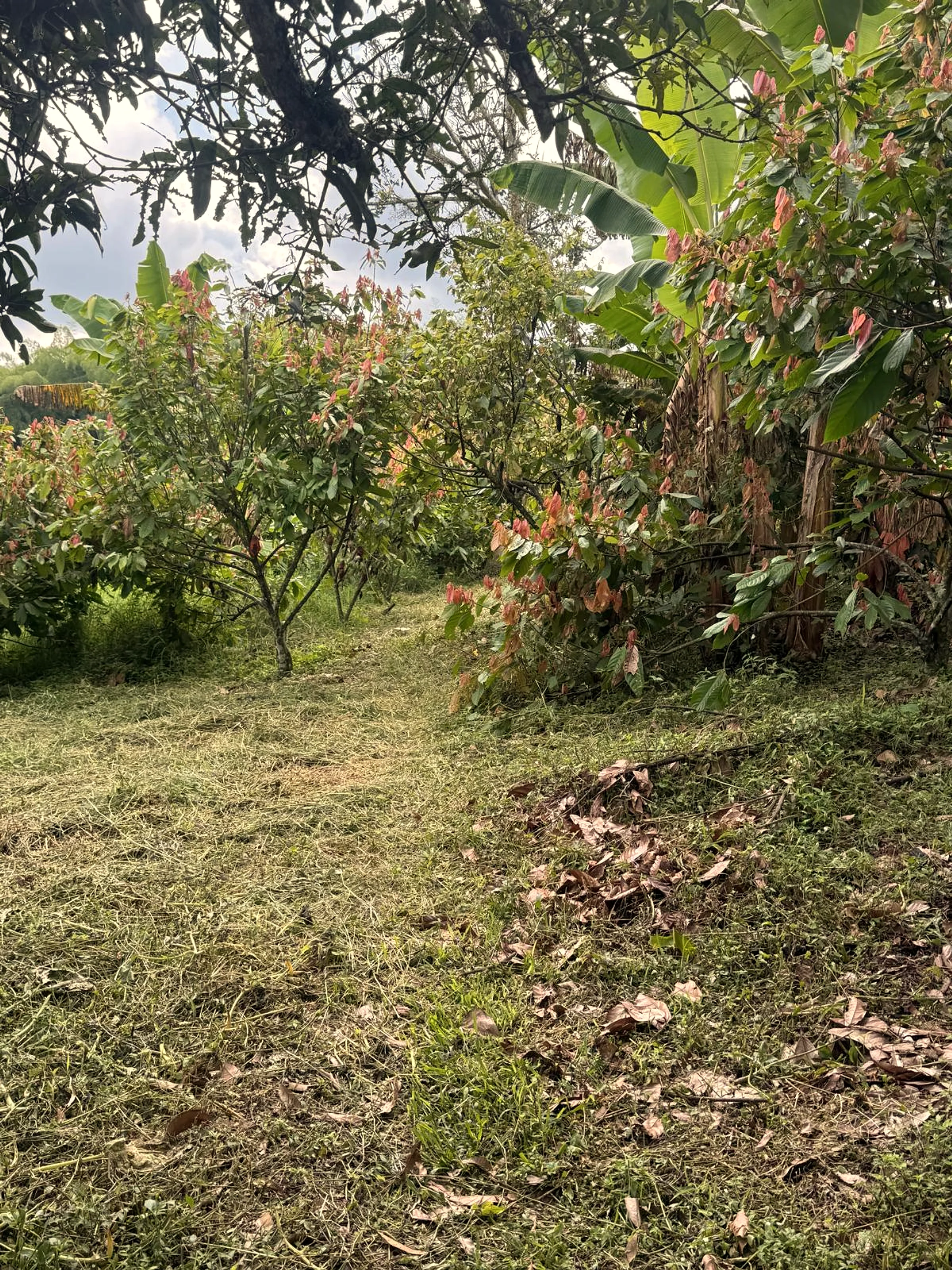
I · The Land
Above Armenia, in the Quindío highlands. Volcanic loam, cool nights, slow ripening. The cacao grows alongside the coffee — the same soil that has fed our family for five generations. Nothing leaves the mountain without passing through our hands.
Latitude
04°31′N
Longitude
75°41′W
Elevation
1,200 m
Climate
Tropical highland · 18–24°C
Soil
Volcanic loam · chemical-free
Coffee
Pink Bourbon · regrowing
Cacao
Trinitario · year-round
Stewardship
MDCCCLXXX → MMXXVI
II · The Bloodline
The 1880s. Florez settlers help open the Quindío highlands for coffee. Spanish lineage by way of grandmother. The land is claimed not by deed but by clearing, by patience, by staying.
Tesalia takes shape. Drying patios laid. Mule paths cut into the cordillera. The first cacao trees planted alongside the coffee — a hedge against the markets, a gift for the soil.
Through the violencia, through the coffee crashes, through every reason to sell and leave. The land stays in the family because the family stays on the land. There is no other plan.
Our grandfather hands the farm to our father. The cacao deepens. The fermentation method is refined — seven days, banana-leaf wraps, no shortcuts. The recipe is oral, the discipline is written in the calluses.
Our father runs Tesalia today. Pink Bourbon is regrowing. The cacao goes year-round to chocolatiers and roasters who care. We do not own this land. We are passing through.
III · The Cacao Journey
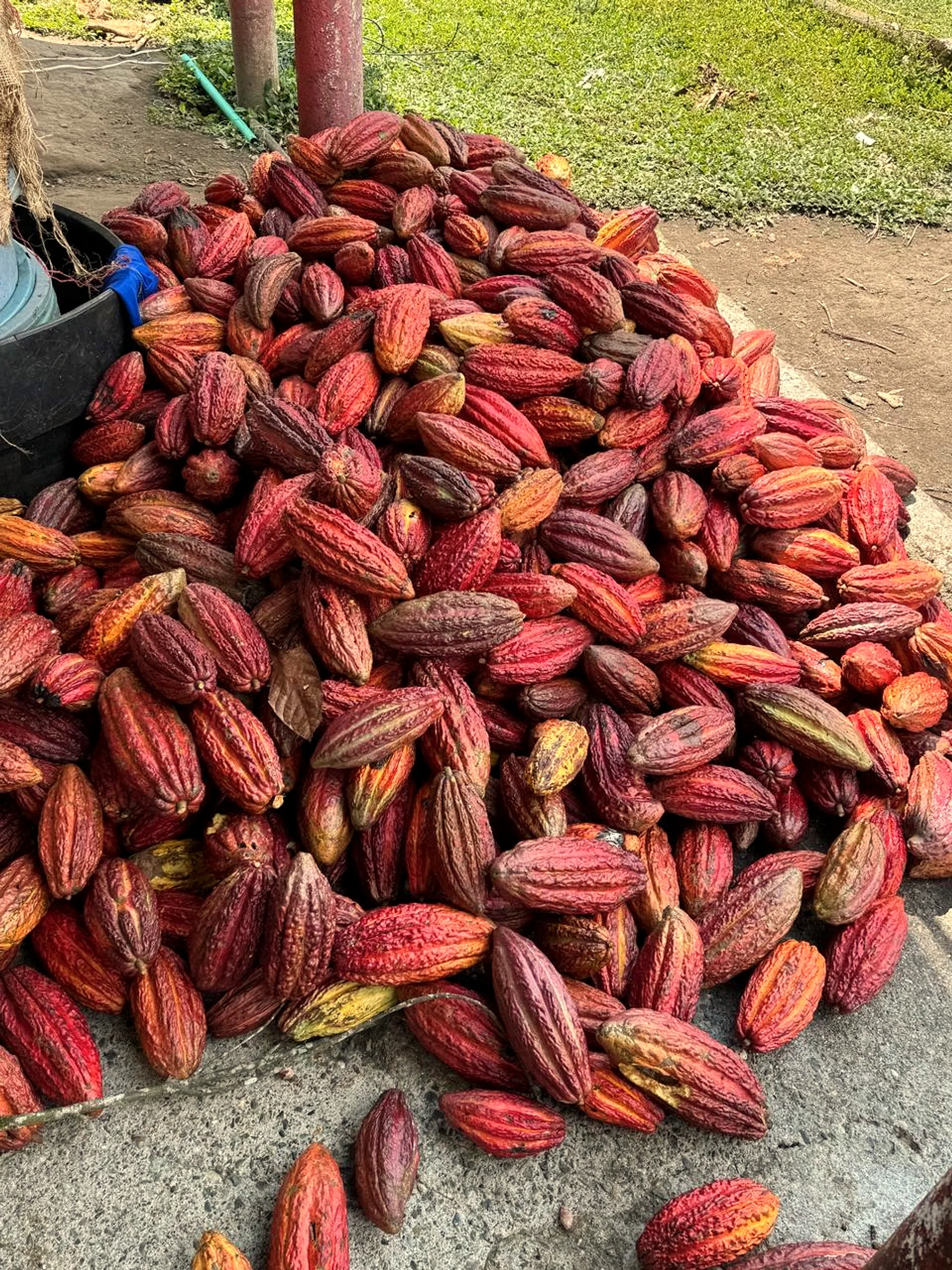
01
Trinitario pods cut by hand from the trunk. Ripe when the skin turns gold-rose. Hauled to the open-air patio by mule.
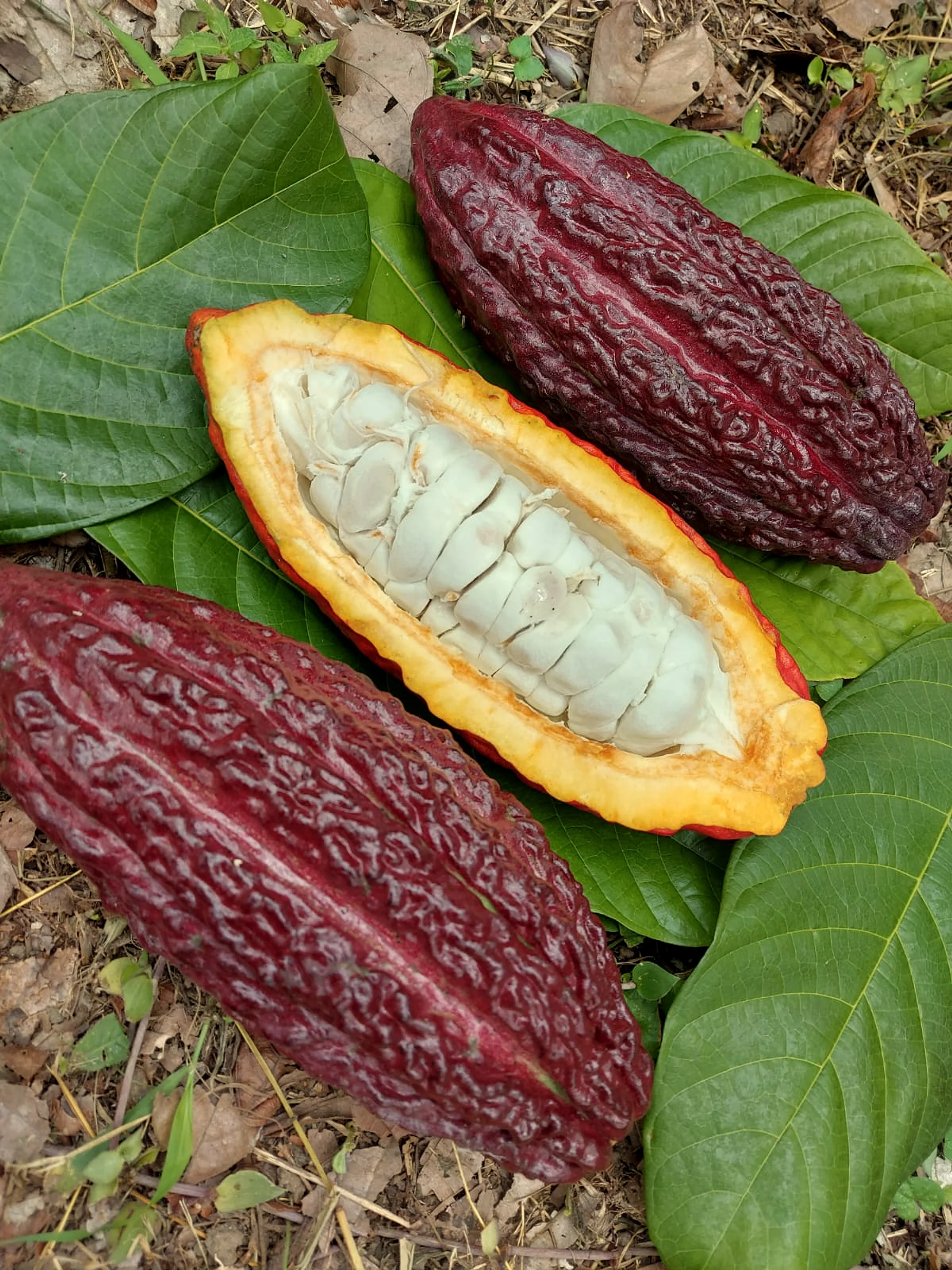
02
Each pod split by hand with a wooden mallet. White pulp wraps every bean — the source of all the fermentation flavor to come.
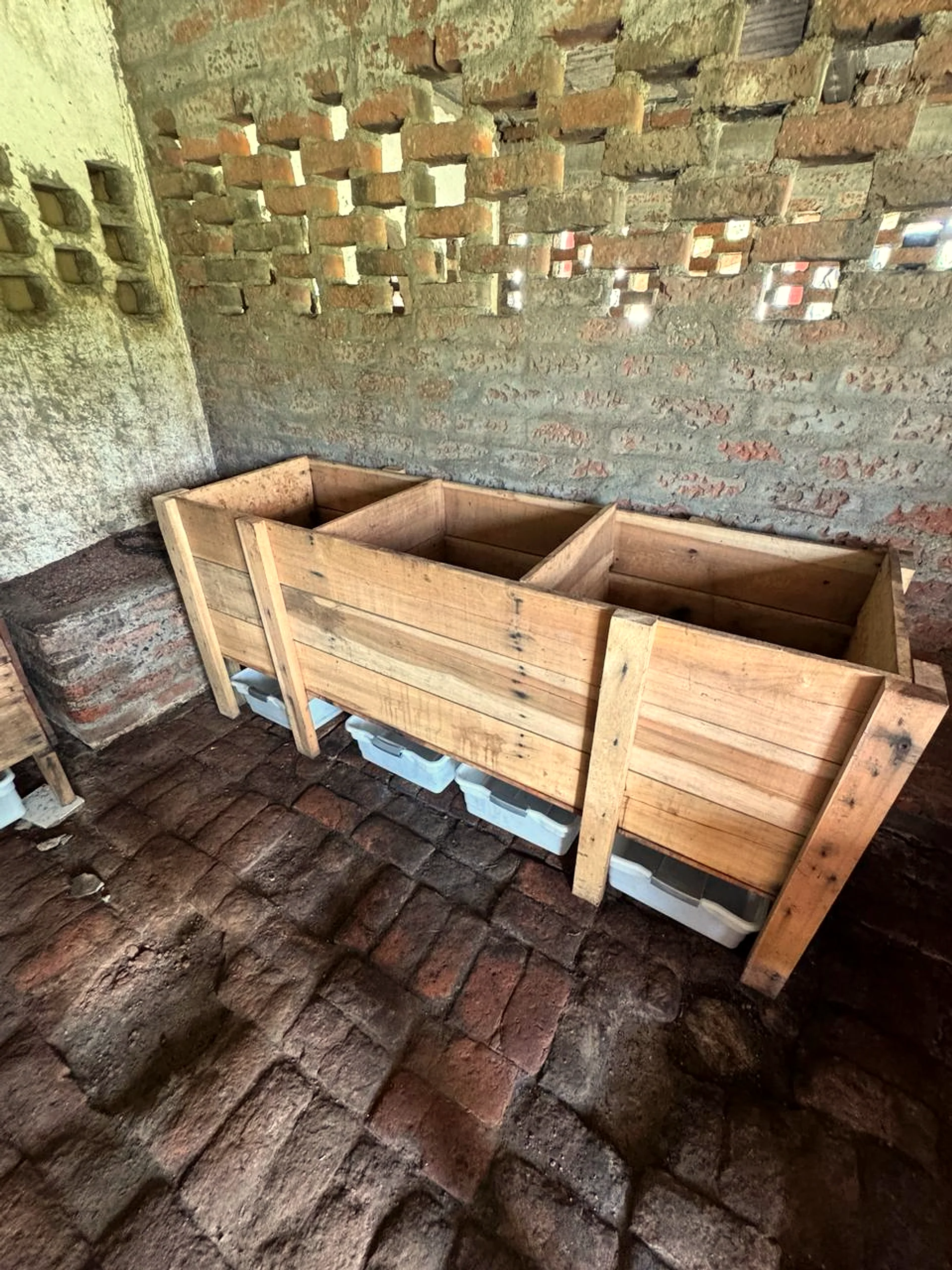
03
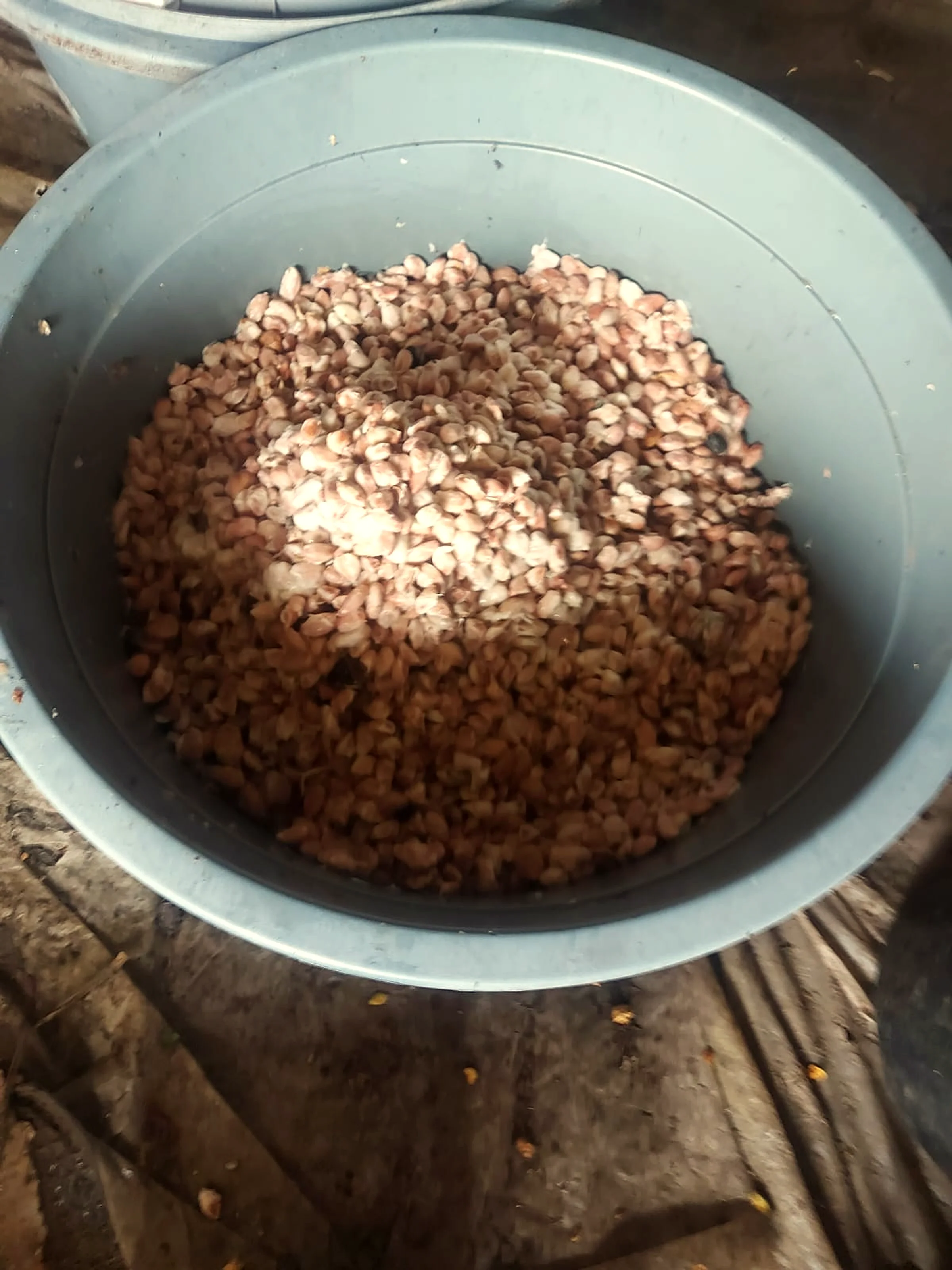
Wet beans into wooden boxes wrapped in banana leaves. Turned once a day for seven days. The leaves carry the wild yeasts. No starter cultures.
04
Day three. The pulp begins to liquefy. Temperature climbs. The room smells like vinegar and ripe fruit. This is when the chocolate begins.
05
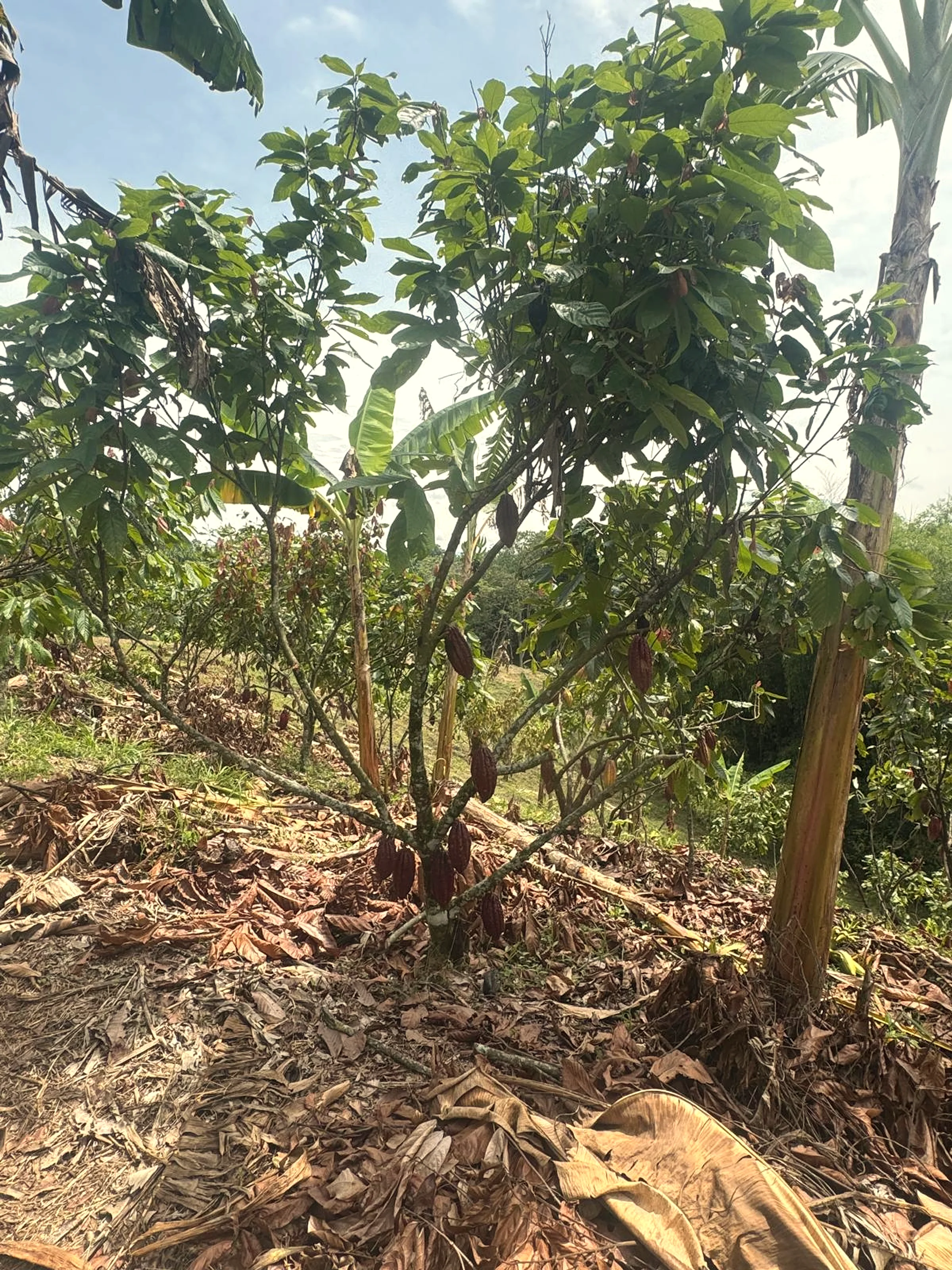
Beans spread on the patio. Hand-turned every hour through the day. Two weeks under the equatorial sun before they're ready to leave the mountain.
06
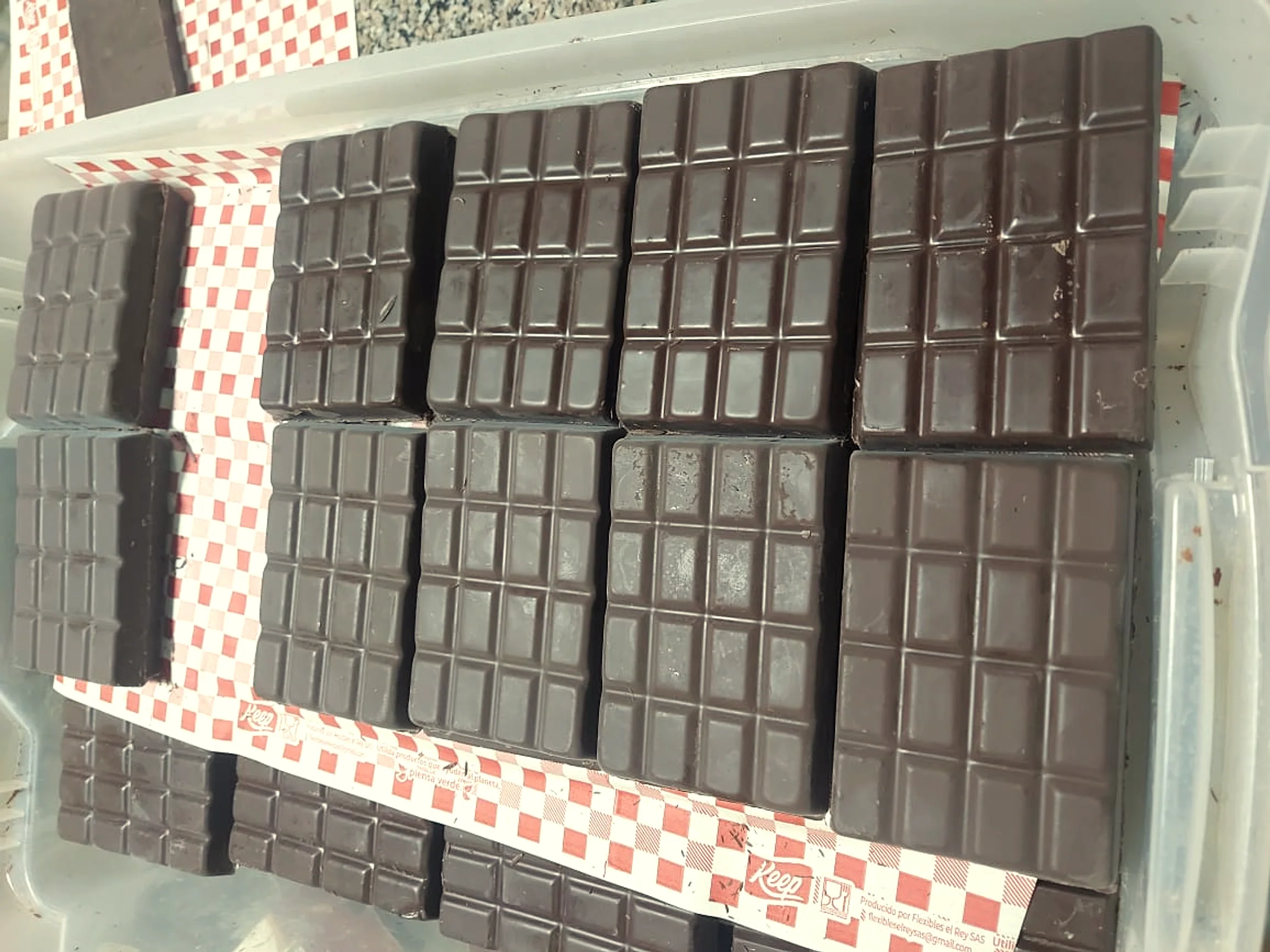
The same hands that fermented the beans turn them into chocolate. Stone-ground in small batches. The recipe is one ingredient short of secret — and that one is sugar.
IV · The Coffee Future
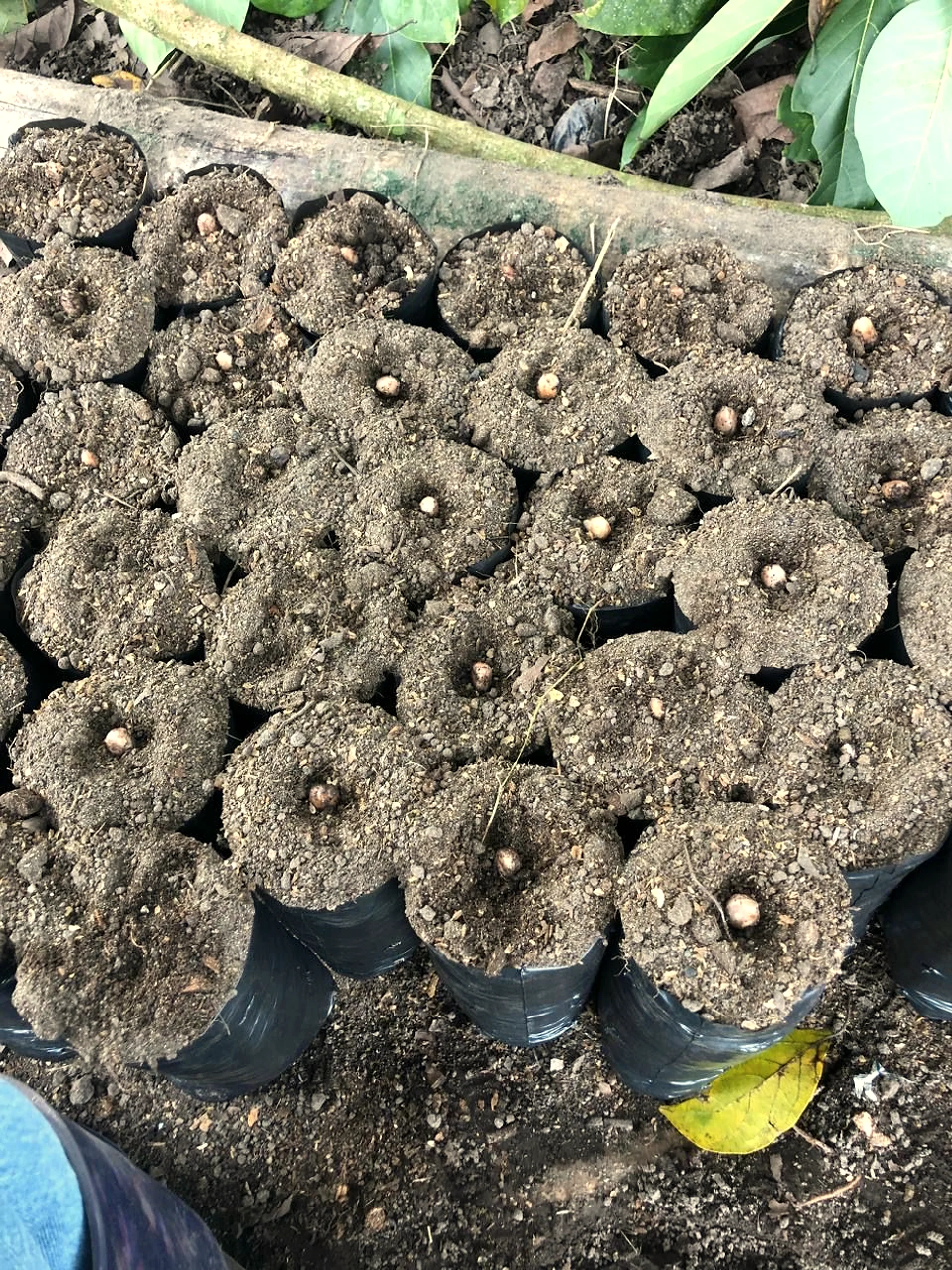
We paused coffee while we focused on cacao. The Pink Bourbon trees are being re-established now, row by row, at 1,900 meters. Bourbon Rosado is a natural cross of Red and Yellow Bourbon — the cherries ripen pink, the cup carries roses and honey.
Heritage farming is patient. We will have our own harvest when the trees are ready. Not before.
V · The Steward
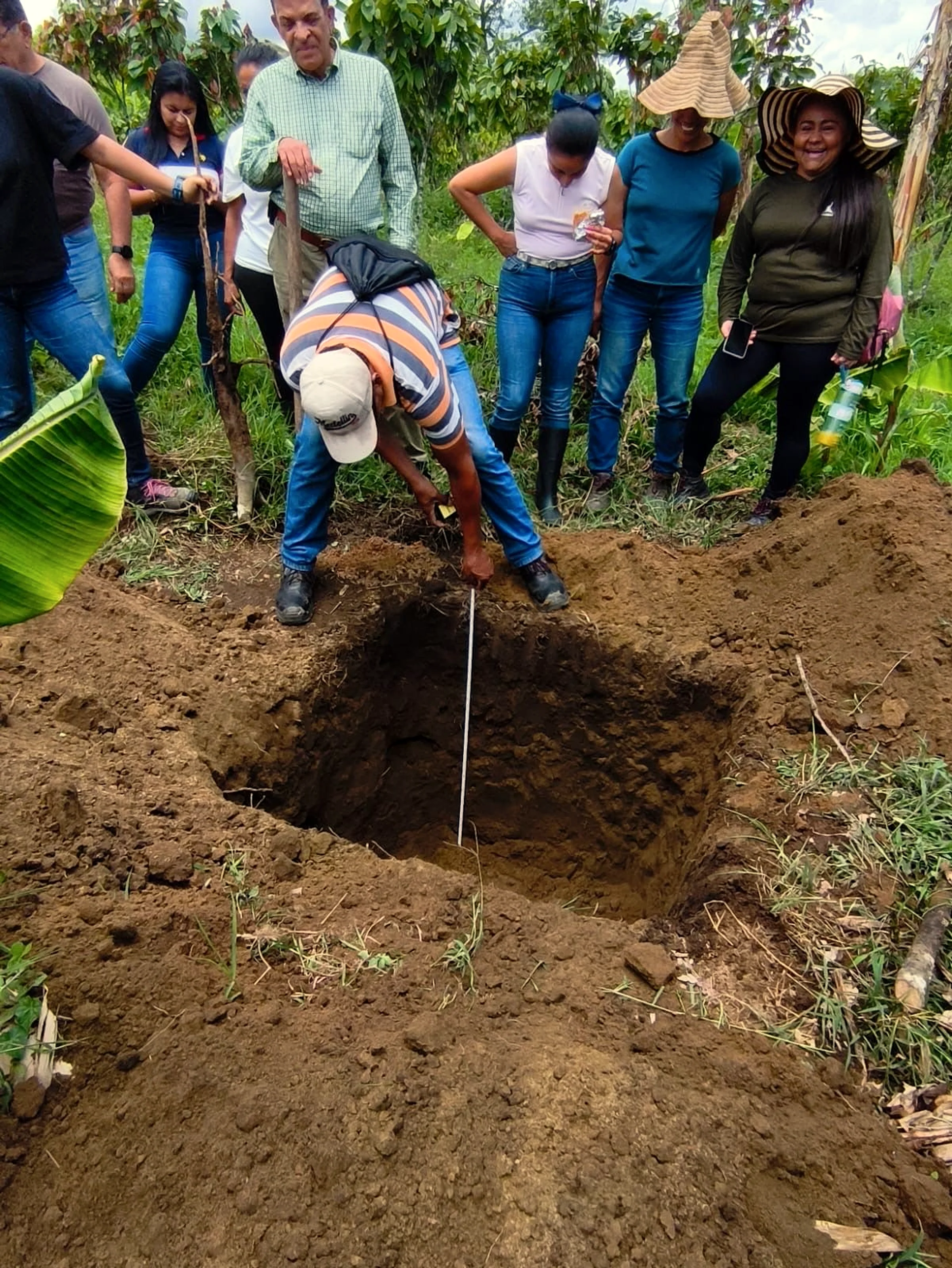
Our father runs Tesalia today. He learned the farm from his father, who learned it from his. He turns the fermentation boxes by hand. He walks the rows at sunrise. When the cacao leaves the mountain, it leaves through him.
VI · The Agronomy
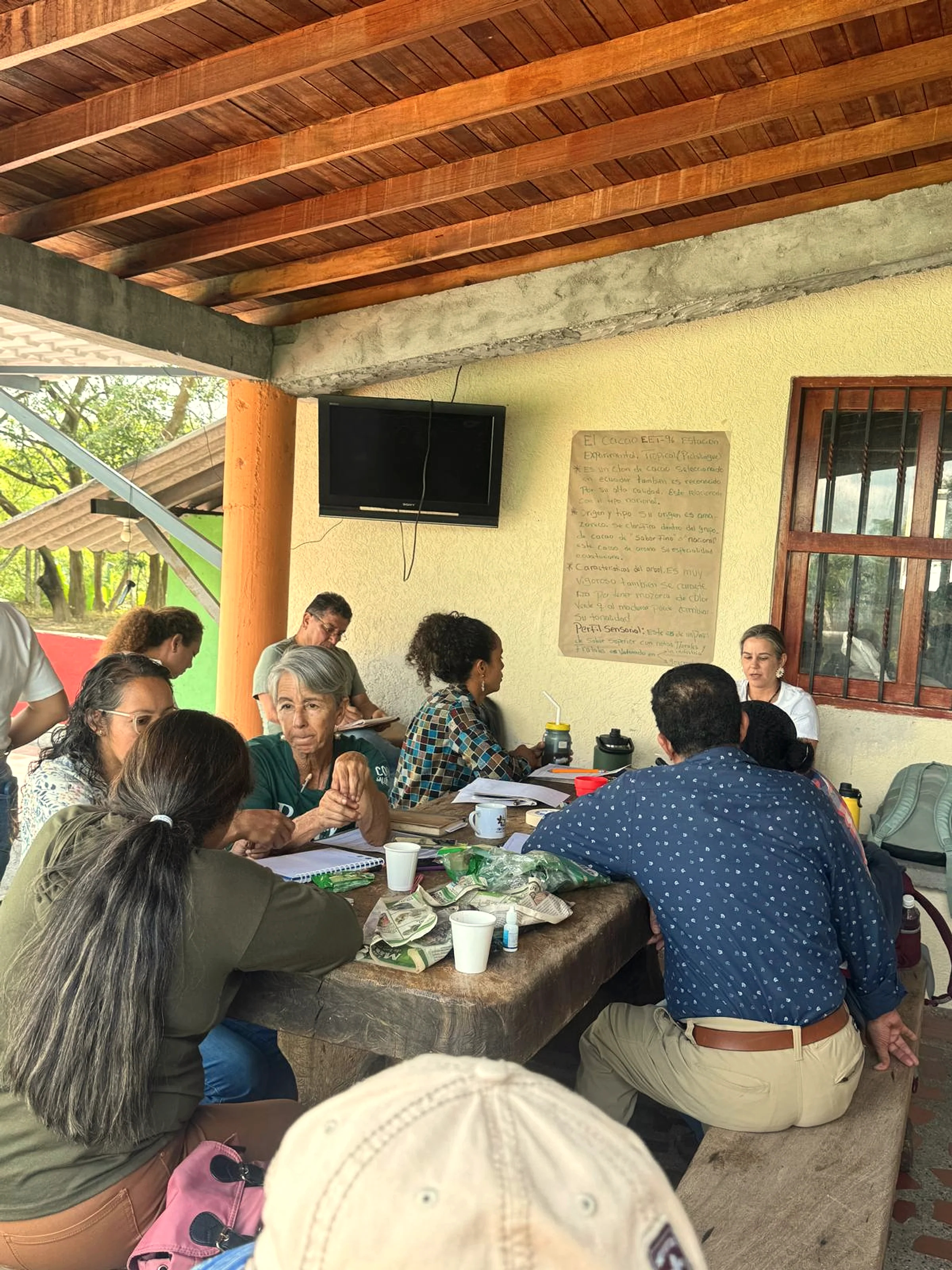
Our cacao varieties are CCN, FSV, and FEAR — Trinitario selections grafted for disease resistance and cup complexity. Soil tested chemical-free. Continuous agronomic training with neighboring fincas. We farm the way our grandfathers did — with the tools and knowledge of our grandchildren.
VII · The Visit
Roasters, chocolatiers, and the rare few are welcome at Tesalia during harvest. Inquire about visiting, or join the cosecha and we will write you when the next lot is ready.
Trade Inquiries
For roasters and chocolatiers — sample requests, volume estimates, and visit scheduling.
Open the trade page →Harvest Notes
Lot drops, fermentation reports, and the regrowing Pink Bourbon timeline.
Finca La Tesalia · Vereda Marmato · Armenia · Quindío · Colombia